Draft a scene
Give the Companion a moment and a direction. Develop it with your characters, their relationships, and your world in mind.
Start fresh or bring your manuscript. Write with a Companion who knows your characters, their history, and the rules of your world. Make every chapter feel true to your story.
Use as much or as little help as you like. You can write every word yourself.
Give the Companion a moment and a direction. Develop it with your characters, their relationships, and your world in mind.
Does the opening pull you in? Is the middle losing pace? Ask for a fresh perspective on the chapter in front of you.
See changes suggested in the manuscript. Accept the ones that work, and keep shaping the words yourself.
Explore another direction without losing the one you had. Revisit chapter versions and restore a draft when you need it.
Every Spinecast Original began as a manuscript. Read an opening, then hear it performed and watch its pictures follow the words.

Their motives. Their history. The rules of the world they live in. Your Companion draws on the people and places you define to write dialogue, choices, and consequences that belong in your story.
Choose a detail. See it shape the scene.
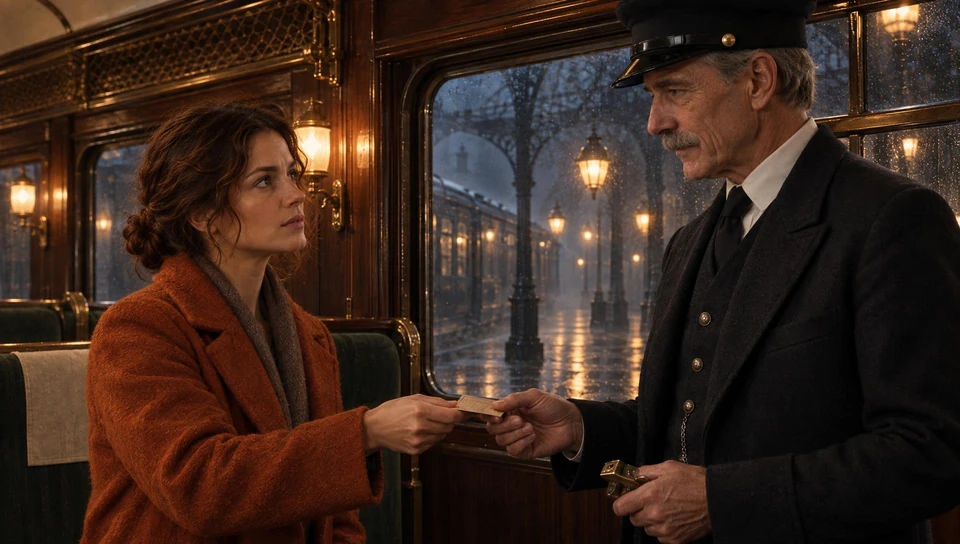
She hides her fear behind practical questions. She won’t be hurried into a decision.
“Where does this train go?” June asked.
The Conductor held out a hand. “Your ticket, June.”
She kept it folded in her palm. “I didn’t tell you my name.”
Beyond the glass, rain gathered on the same unlit signal. The train would wait. It had to.
June slid the ticket into her coat. “Answer me first.”
Her need for answers drives her choices. She holds on to the ticket and asks another question.
The chapter you’re shaping, the people who live in it, and a fresh perspective when you want one.

Write and revise with the Companion beside your manuscript, drawing on your chapters, characters, relationships, and world rules. Edit directly or review its suggestions.
Actual product screenshots · Sample projectBring the chapters you’ve written. Let the Companion help uncover their cast, places, relationships, and lore. Turn that work into a shared universe, then write the sequel, the prequel, or the story another character deserves.
Bring my manuscriptDOCX · EPUB · PDF · Markdown · plain textA finished novel or a work in progress. Import the manuscript and keep shaping it in the editor.
Develop the cast and lore from your source. Make the book’s world a universe your other stories can share.
Carry the histories, relationships, and world rules into a new book. Give familiar characters another life.
One shared world, many stories. Example titles shown.
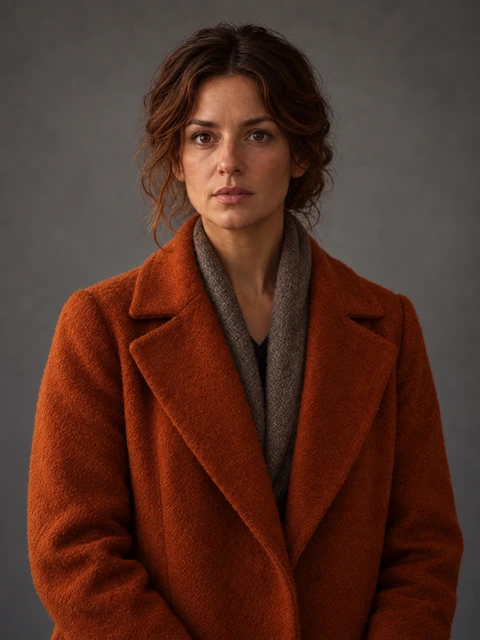
The faces, the places, the details you imagined. Spinecast uses your character portraits, places, and visual style to illustrate the moments you write.
A rust coat. A quiet resolve.
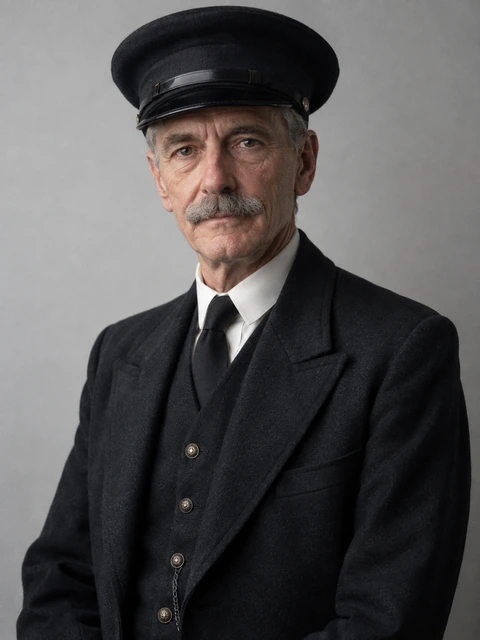
Polite. Patient. Unreadable.

Rain, ironwork, amber light.
One world. Three moments. Your way.
“She did not remember buying a ticket. She was holding one anyway…”
“She gave it to him. He did not look at it. He punched it anyway…”
“…watched her own reflection watch her back, and waited to remember why she had come.”
Swipe to follow the story
Try a style to see your whole world change.
The presence and detail of a live-action film.
Last Train to Nowhere · Six of the studio’s styles.
One intimate narrator, or a voice for every character.
Find the sound you had in mind.
British · Studio voice
Hi, I'm Maia, and this is my voice. She read the message twice, folded the paper along its old crease and set it back inside the drawer. Some answers, she thought, could wait until morning.
American · Studio voice
Hi, I'm Rhiannon, and this is my voice. Look, I've been doing this work for twenty years, and nothing about tonight surprises me. You wanted the truth, so sit down and let me tell you the rest.
British · Studio voice
Hi, I'm Tristram, and this is my voice. Sunday afternoons at my grandmother's house had a particular slowness to them, a warmth that seemed to come out of the walls themselves. I understand it better now than I did then.
Real auditions from the current voice library. Press play to listen.
No. Start with whatever you have: a premise, a scene, or a character. The Companion can help you explore directions, and you decide what belongs in the story.
Yes. Import a manuscript in DOCX, EPUB, PDF, Markdown or plain text, then continue developing it in the editor.
Yes. It has your setting, world rules, and chapter outline in context, and can consult your character histories, relationships, places, and lore while drafting and revising. That gives its writing a foundation in your story. You can edit the prose yourself or review suggested changes.
Yes. Develop the world from your imported manuscript, then turn the book into a shared universe. New books in that universe can draw on the same characters, places, histories, and rules, while telling their own stories.
You can adapt your book into an audiobook and watch its illustrated scenes, camera movement, and voices together in Spinecast’s theatre. Choose the pictures and performances, then review the result before sharing.
Yes. The editor is yours to use directly. You choose when to ask for help and when to work on your own.
Bring a first line or the chapters you already have. Find the next words with a Companion who knows your world.