Character
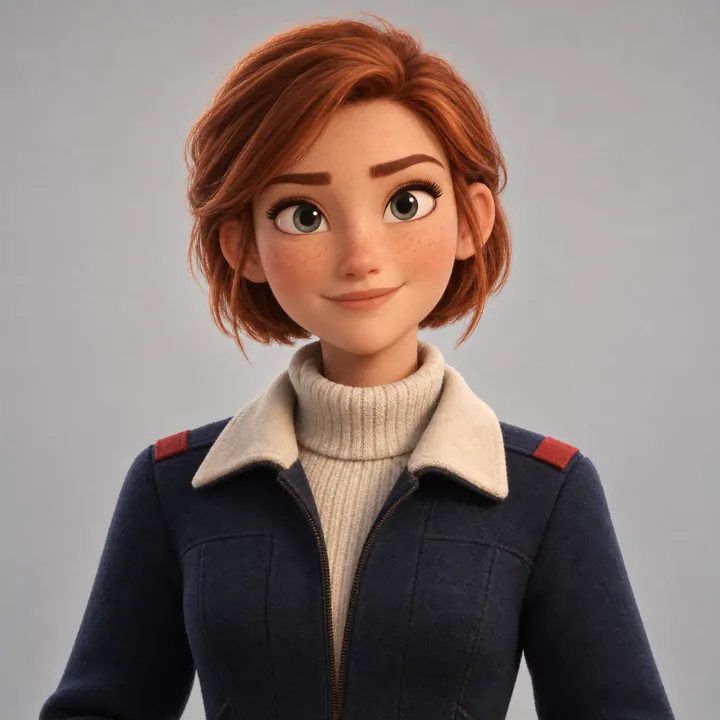
Nell Harding
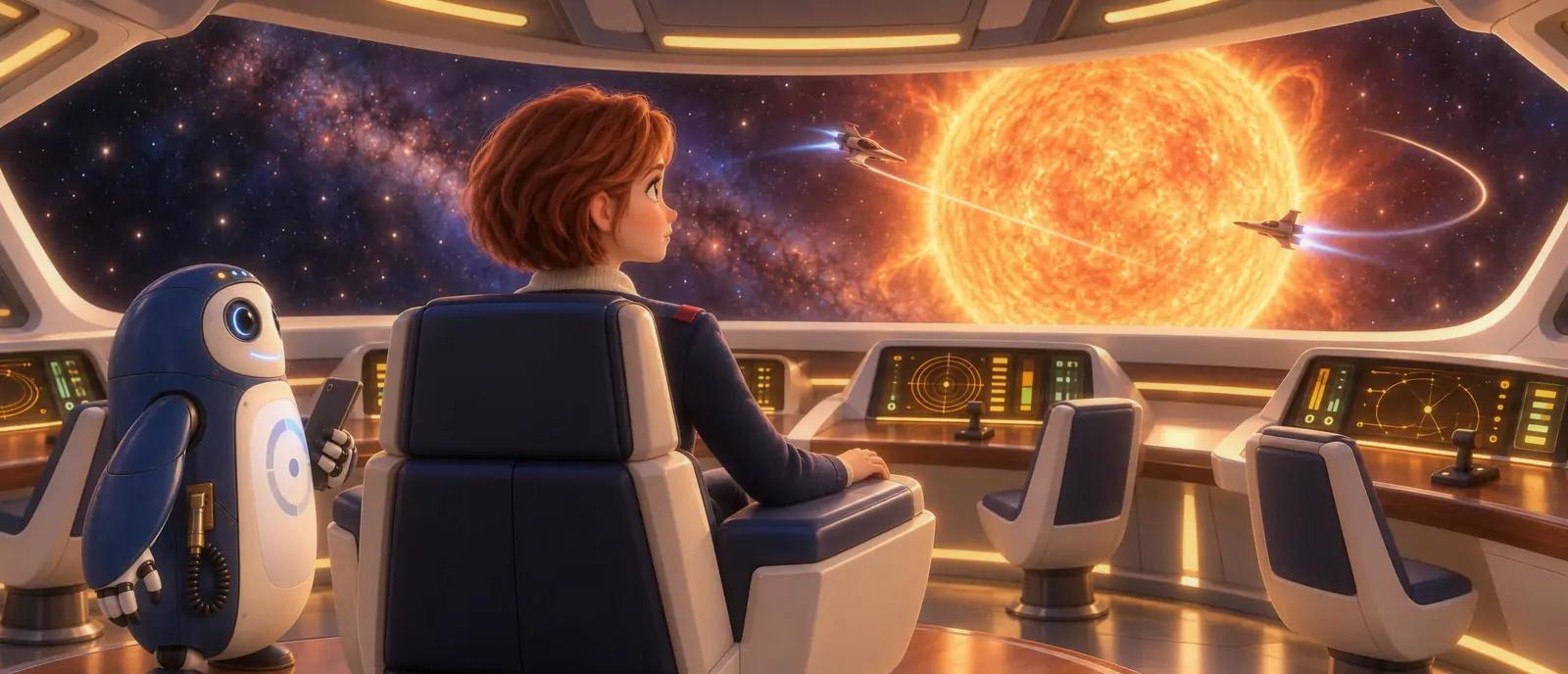
Acting captain for the day, ranked fourth in her class. The trick of the chair, she has decided, is holding still.
Characters with a past. Places you can picture. A world that holds together, across every book, adventure, and story you make.
Build the details separately. Let them matter to each other.
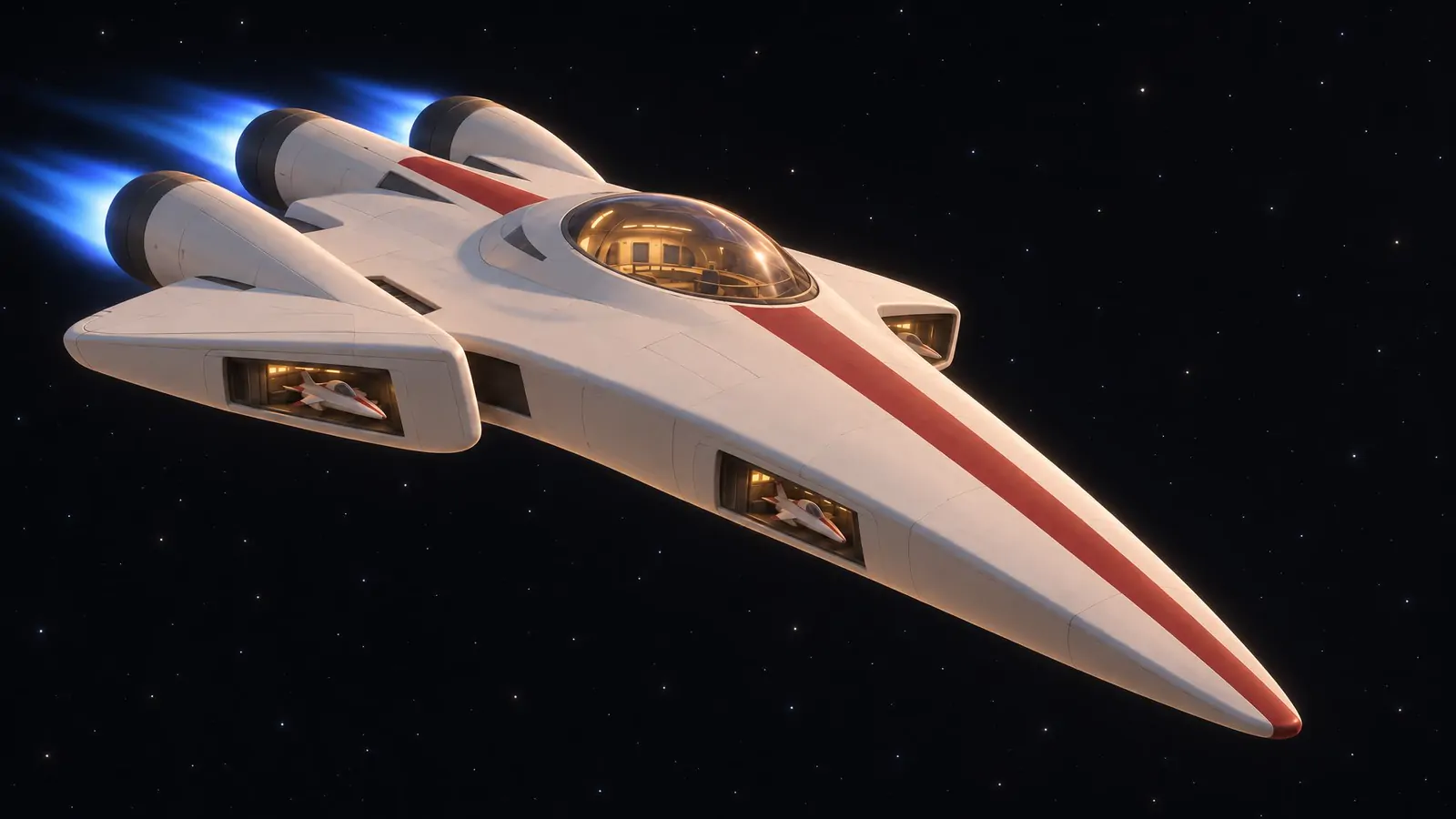
A training ship on the last drill of its cruise. White enamel, one red stripe, and a crew of cadets.
Acting captain for the day, ranked fourth in her class. The trick of the chair, she has decided, is holding still.

The ship’s training robot, linked to every system aboard. Dry, fair, and still marking the final exam.
The final exam runs until the Kestrel docks at Halden. Until then, the Proctor marks every choice.
A training ship lost across the galaxy. A village that speaks softly. Each Original is a world of people, places and rules, made in Spinecast.
Their motives. Their history. The rules of the world they live in. Your Companion draws on the people and places you define to write dialogue, choices, and consequences that belong in your story.
Choose a detail. See it shape the scene.
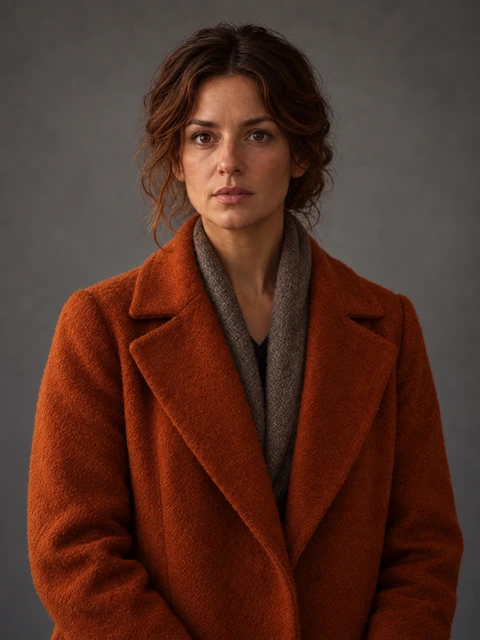
She hides her fear behind practical questions. She won’t be hurried into a decision.
“Where does this train go?” June asked.
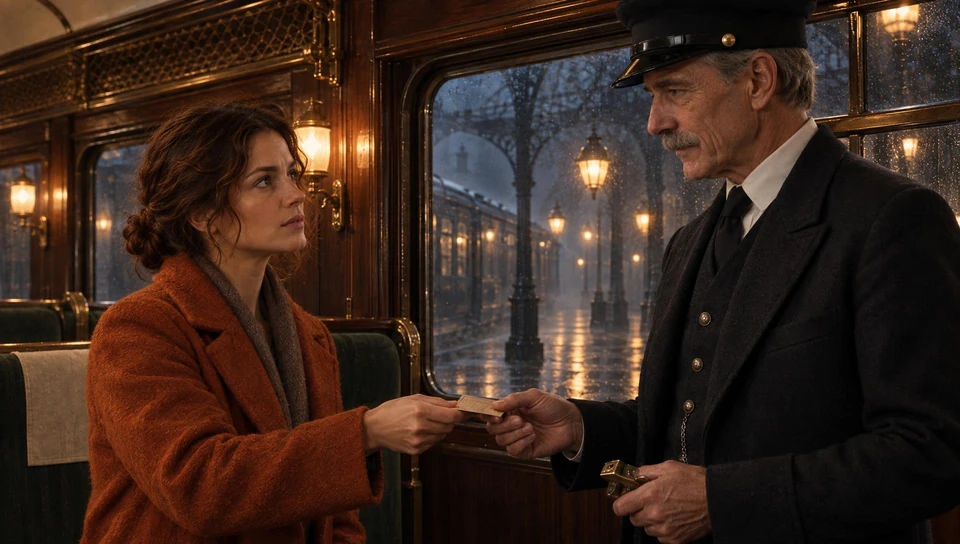
The Conductor held out a hand. “Your ticket, June.”
She kept it folded in her palm. “I didn’t tell you my name.”
Beyond the glass, rain gathered on the same unlit signal. The train would wait. It had to.
June slid the ticket into her coat. “Answer me first.”
Her need for answers drives her choices. She holds on to the ticket and asks another question.
Faces, histories, relationships, and places. Keep the world you’ve imagined ready for its next story.

Backstories and relationships give the Companion context for how people speak, what they want, and the choices they make. Keep that same cast across your books.
Actual product screenshots · Sample projectBring the chapters you’ve written. Let the Companion help uncover their cast, places, relationships, and lore. Turn that work into a shared universe, then write the sequel, the prequel, or the story another character deserves.
Bring my manuscriptDOCX · EPUB · PDF · Markdown · plain textA finished novel or a work in progress. Import the manuscript and keep shaping it in the editor.
Develop the cast and lore from your source. Make the book’s world a universe your other stories can share.
Carry the histories, relationships, and world rules into a new book. Give familiar characters another life.
One shared world, many stories. Example titles shown.
The faces, the places, the details you imagined. Spinecast uses your character portraits, places, and visual style to illustrate the moments you write.
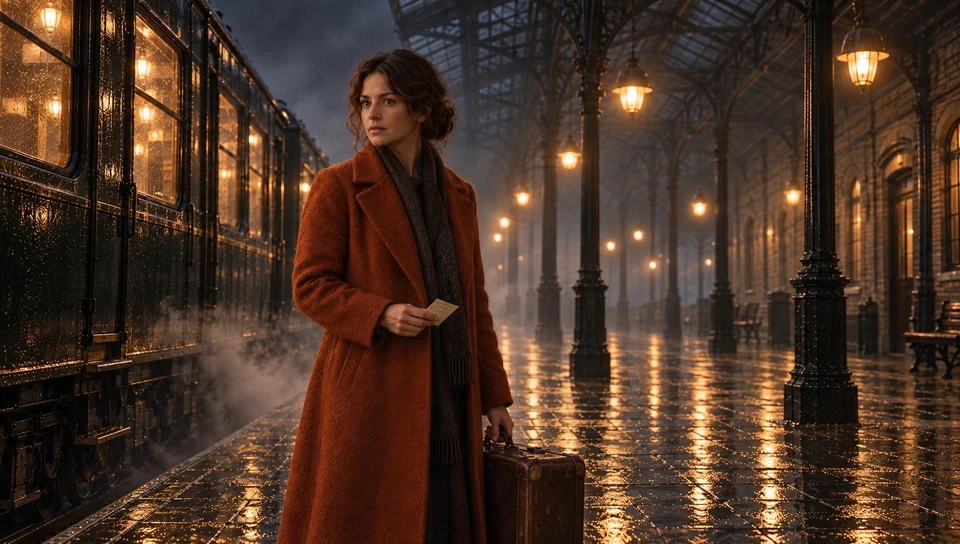
A rust coat. A quiet resolve.
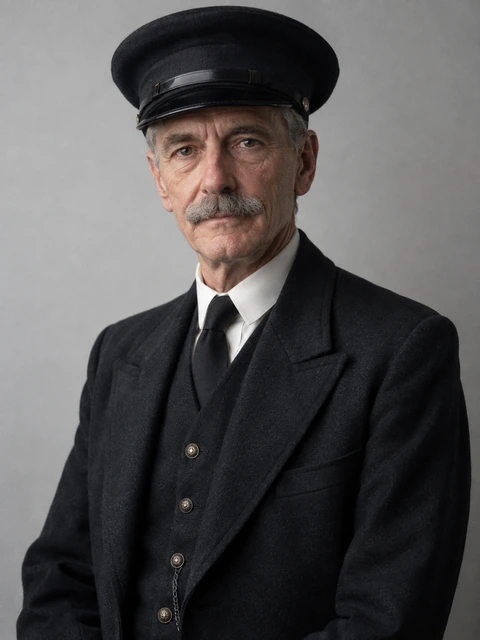
Polite. Patient. Unreadable.

Rain, ironwork, amber light.
One world. Three moments. Your way.
“She did not remember buying a ticket. She was holding one anyway…”
“She gave it to him. He did not look at it. He punched it anyway…”
“…watched her own reflection watch her back, and waited to remember why she had come.”
Swipe to follow the story
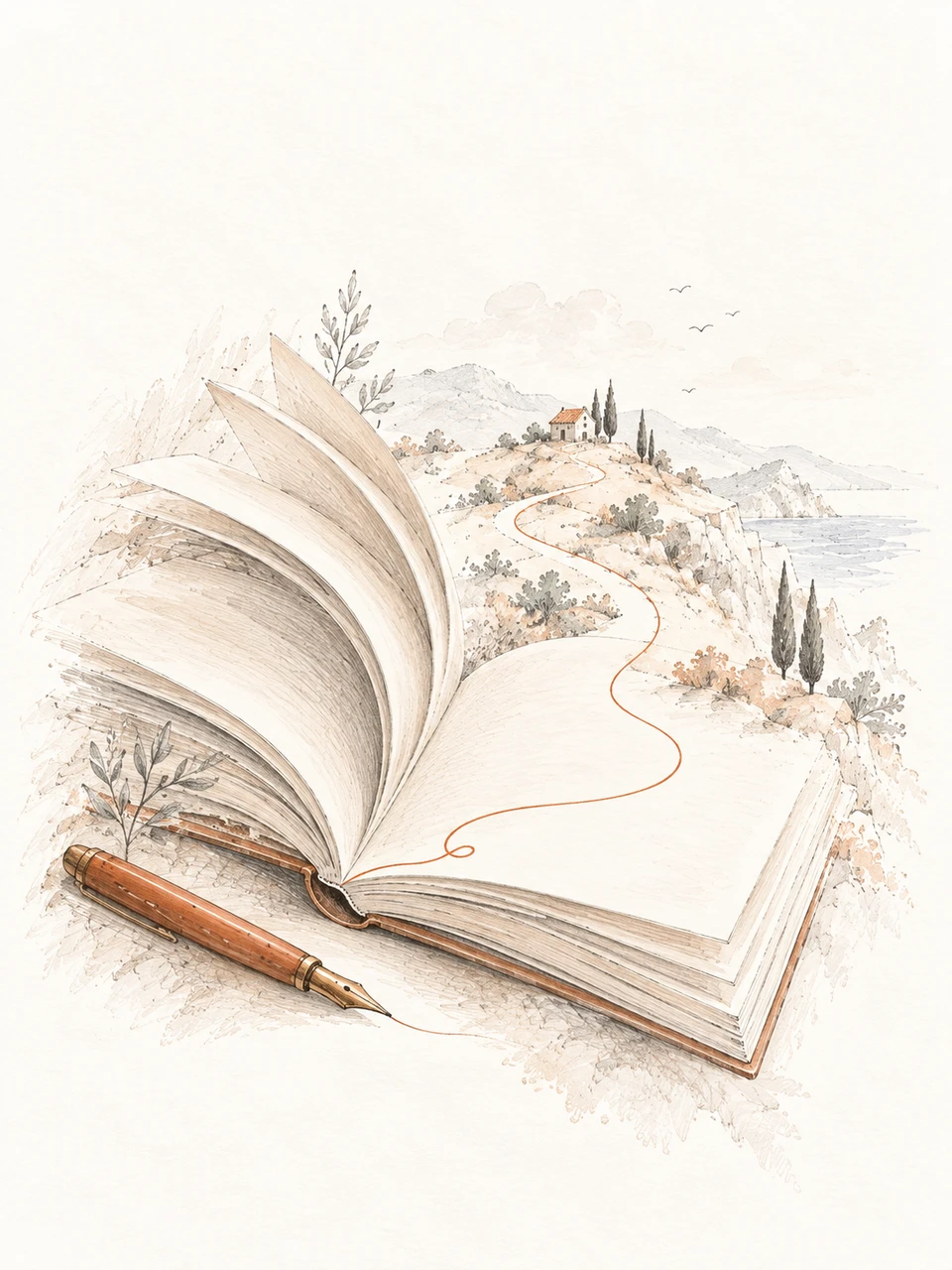
Try a style to see your whole world change.
The presence and detail of a live-action film.
Last Train to Nowhere · Six of the studio’s styles.
One intimate narrator, or a voice for every character.
Find the sound you had in mind.
British · Studio voice
Hi, I'm Maia, and this is my voice. She read the message twice, folded the paper along its old crease and set it back inside the drawer. Some answers, she thought, could wait until morning.
American · Studio voice
Hi, I'm Rhiannon, and this is my voice. Look, I've been doing this work for twenty years, and nothing about tonight surprises me. You wanted the truth, so sit down and let me tell you the rest.
British · Studio voice
Hi, I'm Tristram, and this is my voice. Sunday afternoons at my grandmother's house had a particular slowness to them, a warmth that seemed to come out of the walls themselves. I understand it better now than I did then.
Real auditions from the current voice library. Press play to listen.
No. A universe can be its own creative project. Make characters, imagine places, and build lore for a game, a future story, or the fun of it.
Yes. Books and audiobooks can belong to a shared universe, drawing on its characters, places and rules.
Yes. The world’s setting and rules are part of the Companion’s writing context, alongside your manuscript outline and access to the cast, relationships, and lore. You can ask it to draft a scene that follows those details, then review and refine the result.
Yes. Start from a description, bring reference material, or build a universe from a book or audiobook you already have in Spinecast.
Begin with a character, a rule, or a corner of the map. Build the world your next stories will call home.